I started freelancing on Upwork as a sophomore in high school. No connections, no capital, just a laptop and a lot of hours. I bought every course I could afford, taught myself the craft, and eventually ended up helping run some of the same marketing communities I'd learned from.
I got tired of watching good businesses pour money into marketing that just looked busy — more posts, more ads, more dashboards — while the revenue sat still.
It started small for me. An email project here. A landing page there. But every project taught me something, and every person I met opened another door. Over time that turned into a team and a client roster that now includes ten-million-dollar ecommerce brands, an eighty-million-dollar real estate company, and local businesses fighting to get more people through the door.
What never changed is the standard: treat your money like my money, and only spend it where the data says it'll come back bigger.
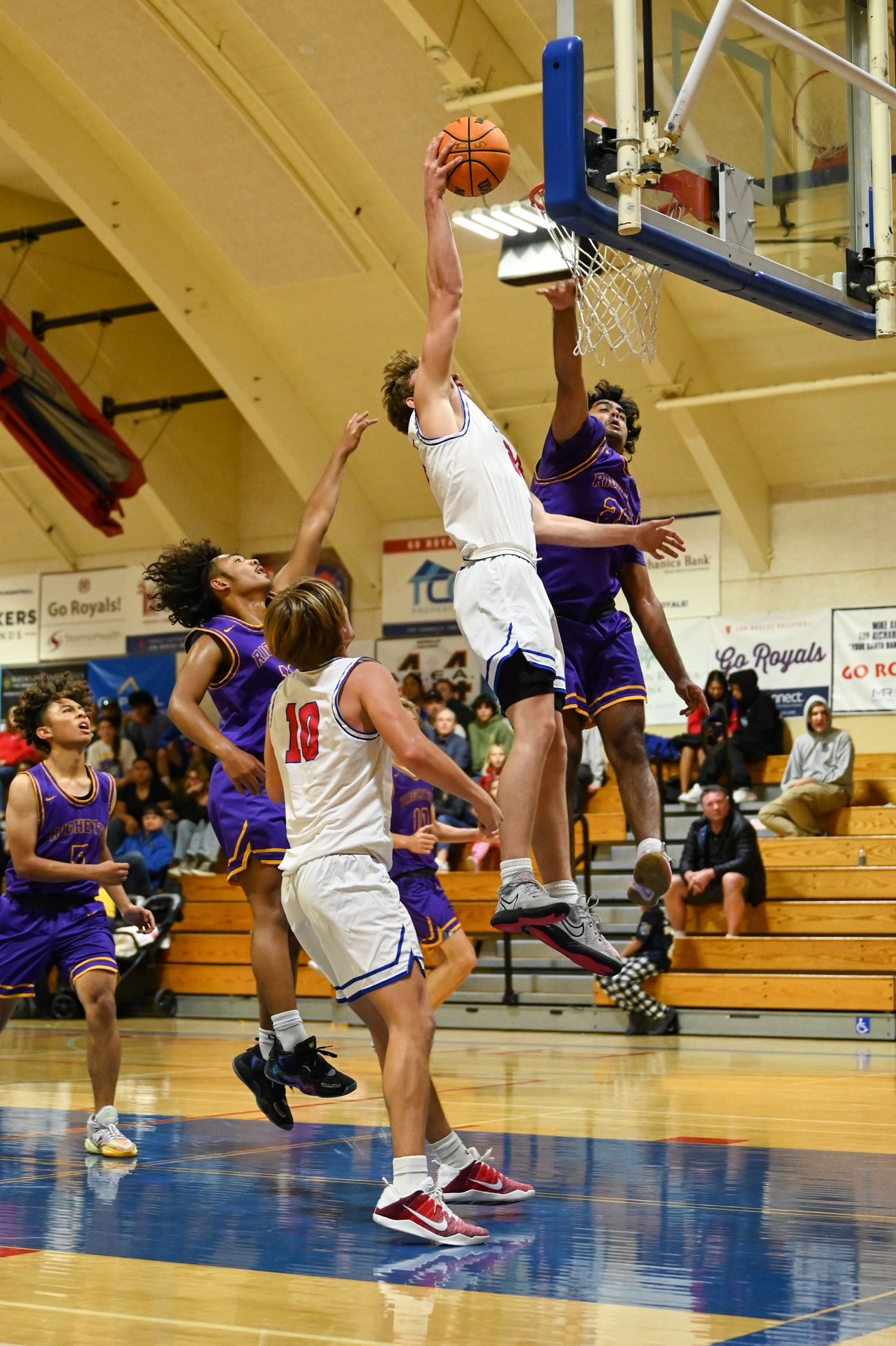
Four-year varsity, a couple of college offers
My first business wasn't marketing. It was coaching basketball in my hometown. I was a four-year varsity athlete with a couple of college offers on the table. I turned them down because I'd already caught the entrepreneurial bug and wanted to build something of my own.
The reason I got serious about marketing is less glamorous. Junior year of high school I got sick and couldn't do anything physical for about six months. Instead of wasting that time, I decided to get genuinely good at something I could do from a computer. That "something" became a career.
A lot of what I know traces back to my mentor, Andrew Bass, one of the leaders of the program I came up in. He taught me the fundamentals most marketers skip: how to write well, how to nail a brand's voice, how to design something that actually pulls people in, and how to move a person through a buying decision without pressure.
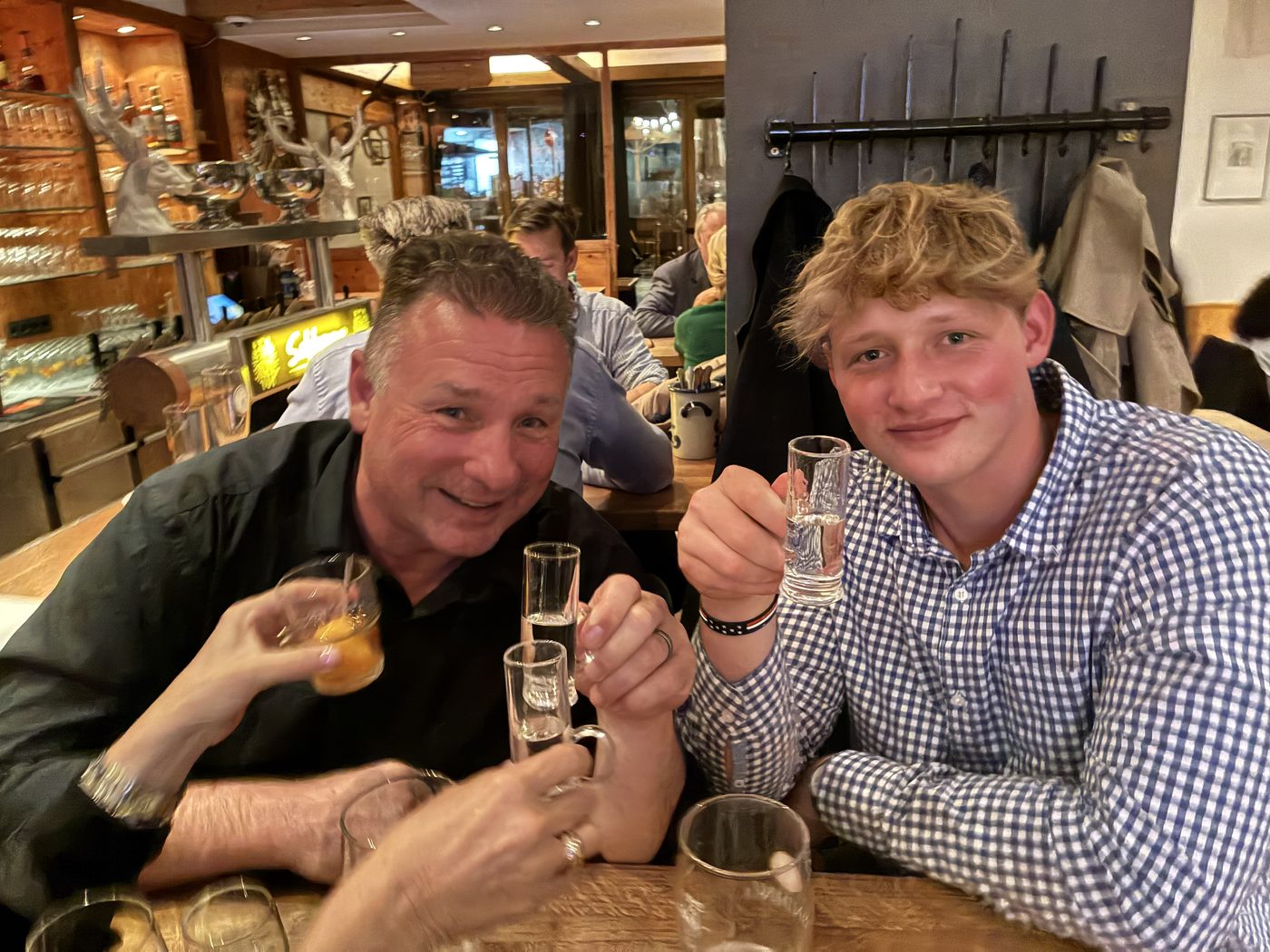
I was born in the USA and I'm proud of it, but a big part of me lives an ocean away. My roots run deep into Germany, where a large part of my family still is, and getting back to see them is one of my favorite things in the world.
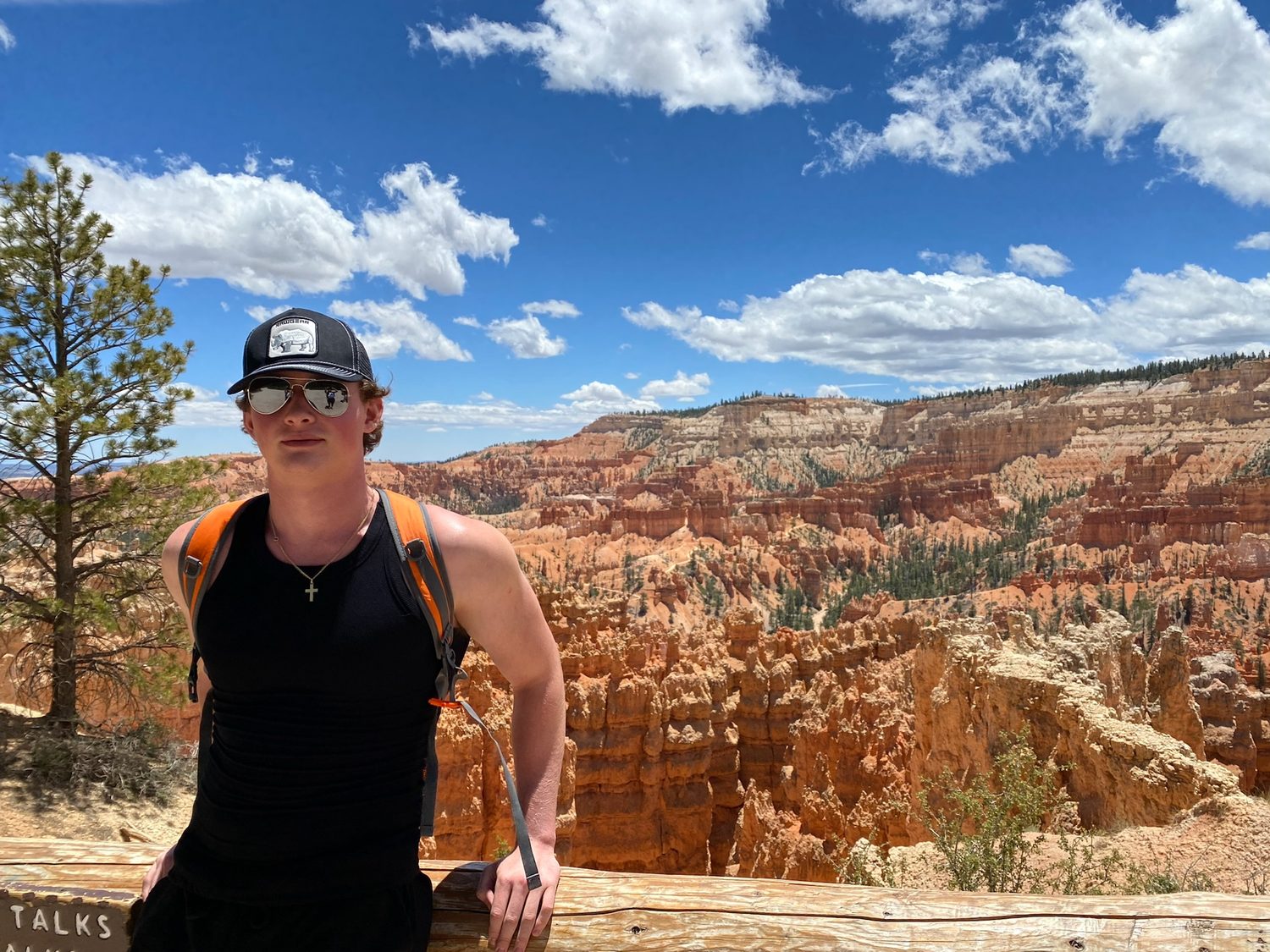
When I'm not building marketing systems, I'm usually going somewhere. I've been lucky enough to see a good chunk of the world, from the Swiss Alps to Spain to the mountains of Germany, and I've driven clear across the United States more than once just to see what's out there. The big national parks in Utah are a personal favorite. The same curiosity that makes me want to see what's over the next ridge is the one that makes me want to know why a funnel leaks or why one message beats another. I don't like leaving things unexplored.
Germany, with my dad
Utah national parks
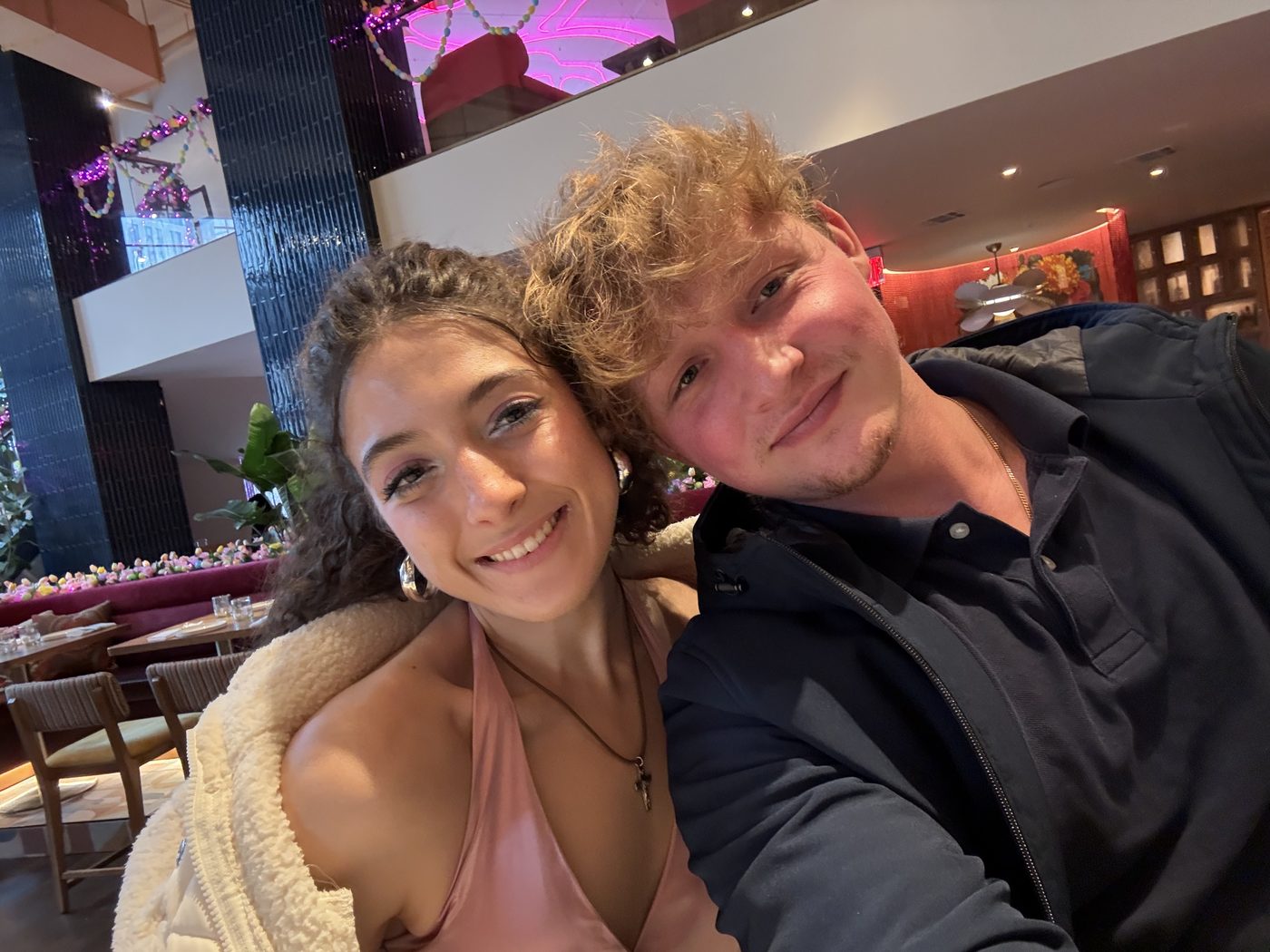
My favorite travel partner
Still competitiveFreelance email projects and landing pages, bought every course I could afford, and taught myself the craft.
Sidelined by illness for six months, I decided to get genuinely great at something I could do from a computer.
Came up under my mentor Andrew Bass, then started assembling a small, sharp team.
Owned marketing front to back — data, sales process, follow-up, retention. That's when the "whole system" clicked.
Working with ten-million-dollar ecommerce brands, an $80M real estate company, and local businesses — while I keep sharpening the business side.
An eight-month engagement with a software startup. We scaled them to three hundred thousand dollars a month in recurring revenue. It was one of the first times I owned marketing front to back, not just running campaigns, but auditing data, tightening the sales process, fixing the follow-up, and building the retention systems that kept customers around. That's when it clicked: real growth isn't one channel. It's the whole system working together.
Marketing comes down to three things: standing out, earning attention, and building relationships. The last one matters most. Marketing is really just sales at scale, which means the whole game is building and keeping relationships with as many of the right people as possible.
Where I part ways with most of the industry is method. The standard playbook is to guess, launch, and hope. I don't work that way. Every test I run gets a full business cycle of data, whether that's two days, a week, or a month, and I don't make the next change until I've read what the last one told me. Decisions come from data, not vibes.
I run a small team so the work never outpaces the quality. Thomas handles copywriting, messaging, and data analysis. Luke runs paid media across Google and Meta. Both work under me on client accounts, which means you get more firepower without losing the thing that matters most: a single point of accountability.
That point is me. I answer the texts. I take the meetings. When something wins, you know who to credit, and when something needs fixing, you know exactly who's on it.
Diagnosis, strategy, and every client relationship. The one name on the results.
Copywriting, messaging, data analysis, and conversion optimization.
Paid media execution across Meta and Google.
I keep my roster deliberately small: four clients at a time for one-off projects like websites, and up to eight for ongoing SEO and email work. That's not a sales tactic. It's how I make sure every client gets the attention their business deserves.

I'm currently pursuing an MBA, because the best marketers understand the business behind the marketing. The more I understand how companies actually make money, the better the decisions I can make with yours.
Book a call and I'll show you where your marketing is leaking and what I'd fix first.